A donation tin is the oldest working payment device in a Polish cultural institution. It stands at the exit or next to the ticket desk, has no contract, no subscription and nobody has ever counted its conversion. It handles exactly one instrument — coin, including two denominations for whose withdrawal from circulation petitions now flow to the National Bank of Poland.
When less gathers in that tin, the institution most often offers an explanation about falling willingness. Worth checking, because it is checkable and the answer decides whether the problem sits in people or in the collection method.
What does PLN 2.6 billion from 1.5% of tax tell us?
From PIT settlements for 2025 public-benefit organisations received over PLN 2.6 billion from 1.5% of tax. 17.2 million taxpayers used it — nearly a million more than a year earlier — and the amount itself rose by PLN 329 million. Average per person: PLN 151.
That figure needs immediate precision, because without it it means something other than it seems. Passing on 1.5% does not shrink anyone’s wallet — it redirects tax that must be paid anyway. As a measure of generosity it is therefore worthless. It measures, though, something more important for this text: how many people, at nearly zero cost and with an available way to name a cause, actually name that cause. That is the same readiness every collection at an exhibition exit rests on.
A reference point sits an order of magnitude lower and already concerns own money. Poland’s largest online fundraising platform in 2025 raised PLN 197.2 million from over 2.3 million payments, at an average payment of PLN 84.6. There the donor reaches into an account and makes a transfer or pays with BLIK, and the average comes out in money nobody puts in any tin.
A third figure cuts across both. According to the 2024 Humanitarian Barometer 52% of adult Poles put money in a tin in the last twelve months, but only 9% regularly support charities. A mass of one-off small gestures against a marginal number of standing commitments. A cultural institution collecting on site works exactly on that first group — its donation revenue arises from an impulse that lasts as long as the walk from the exhibition to the exit.
What follows for a museum or zoo: readiness to name a cause is counted in this country and growing. The bottleneck sits one link further — at the moment the impulse is to meet an available way to pay.
Museum donation collection rests on an instrument that has stopped circulating
At retail and service points in Poland 71% of transactions go cashless and 29% cash. Phone and watch payments are already 24% of all transactions, versus 18% a year earlier — six percentage points in one year. The sample covers retail and service points, so a donation at an exhibition exit is not in it; these figures describe everyday payment habit in trade and services.
Twenty-nine percent is still almost every third transaction, so the thesis “cash is dead” would be a half-truth. The point sits in the size of the amount. A donation is the smallest possible transaction, and at PLN 2 or 5 cash requires not so much money as exactly the right change. Nobody will drop a hundred-zloty note, and card change stays on the card.
With that change something happens that closes the picture. Poland circulates over 15 billion copper coins, and petitions to withdraw one- and two-groszy pieces reach the central bank regularly. NBP itself views price rounding favourably, because “it would help simplify cash-transaction settlement and at the same time cut the costs of running the cash market.” Seven euro-area states round prices and phase out the smallest denominations. Unofficial estimates of the cost of producing a one-groszy coin sit in the 5–8 gr range; NBP does not officially confirm those figures, so read them with the caution estimates deserve.
So even if an institution wanted to keep collecting coins, some of the denominations that fall into that tin have an expiry date set outside it.
What does the UK show and what must not be read from it?
The British Charities Aid Foundation published on 16 March 2026 a report that measures what nobody studies in Poland. Total donations fell from GBP 15.4 billion in 2024 to 14 billion in 2025 — almost 10% down and the first drop in five years. More important, though, is the decade trend: the share of people giving donations slid from 69% in 2016 to 55% in 2025. Average monthly donation fell from GBP 72 to 65, the median from 28 to 26.
Those are UK-market data and there is no comparable measure for Poland. GUS does not publish a donor share in this form, and Polish survey studies use different questions and samples. Pairing British 55% with any Polish figure would give a meaningless result.
British data are worth reading differently — as a description of what happens to an institution collecting donations when a demand problem joins the medium problem. On that market donors and money per person both shrink: the giving share fell 14 percentage points in a decade, and the monthly average GBP 7 in one year. Polish institutions do not face that second pressure today — the number of people directing 1.5% of tax is growing, and the average payment on fundraising platforms holds near PLN 85. We will not conclude from that that Polish demand for giving is safe, because it is measured with other tools. What is known is that today’s weak tin result has one fewer explanation in Poland.
How much does a tin that takes cards cost?
There is a category in Poland that faced the same problem with hardware and has a publicly available price list for it: parishes.
One payment operator’s offer for parishes, valid through end-2024: multimedia offering machine PLN 7,499 net, a simpler self-service terminal PLN 1,600 net, subscription PLN 0 for the first 12 months, then PLN 29 a month, commission 0.54% plus PLN 0.05 per transaction, contract for a minimum 24 or 36 months depending on the variant.
Count the full two-year cost of the multimedia variant: PLN 7,499 plus twelve paid subscription months gives PLN 7,847 net for hardware together with handling. At a PLN 5 donation, after deducting commission from the same price list, PLN 4.92 reaches the institution — covering those PLN 7,847 therefore needs nearly 1,600 payments, or 66 a month over two years. In a large urban parish that volume is achievable. At a tin passed by a dozen people a day there is no chance, and I take that scale as an assumption, because attendance at a single venue nobody reports publicly.
A second cost shows only after spelling it out in amounts. A flat PLN 0.05 fee behaves differently on micro-donations than a percentage:
- donation PLN 2 → fee PLN 0.061, or 3.04%
- donation PLN 5 → PLN 0.077, or 1.54%
- donation PLN 10 → PLN 0.104, or 1.04%
- donation PLN 50 → PLN 0.32, or 0.64%
Between a two-zloty and a fifty-zloty donation the effective rate differs 4.75×, at an unchanged price list. The mechanism is simple: a flat amount does not scale down, so the smaller the donation, the larger the share it takes. In a percentage-only model — on the Paymove site that is 1.29% at PLN 0 activation and PLN 0 subscription — the same two-zloty costs PLN 0.026, or 2.36× less. The break-even of the two constructions falls at PLN 6.67: above that amount the fee with a flat component is cheaper, below pure percentage. A donation dropped at an exhibition exit almost always sits below.
That construction is worth choosing consciously, because in price lists it usually sits in the second row, under the percentage rate. If an institution collects small amounts, fee structure weighs more than its height.
Cash donation collection has its own reporting duties
Something nobody thinks about with a tin. Collecting cash in public space is a public collection within the meaning of the Act of 14 March 2014: it must be notified via zbiorki.gov.pl, a progress report filed within 30 days of ending and a fund-allocation report within three months of the financial year-end. For a collection longer than a year reports are cyclical, every six months.
Appeals for a transfer to an account, online payments and collections via internet platforms are not a public collection and generate none of those duties. The statute splits the two forms outright, and the practical consequence: an electronic payment leaves its own trail in the settlement system and needs no separate reporting to the ministry.
For an institution with its own foundation or social purpose that is a concrete that can be priced in one administration person’s working hours. Moving from a tin to electronic payment lifts that concrete layer — foundation reporting and public-benefit organisation duties remain, and if the tin still stands, so does the duty for it.
14 million entries where today there is no payment moment
In 2025, 994 museums and museum branches were visited by 46.2 million people, 4.2% more than a year earlier. Of that 14.1 million were free entries, and 7.4 million on concession tickets; full price was paid by 24.7 million visitors.
Those 14.1 million entries, or 30.5% of all attendance, are the only group that passes through the institution without contact with any payment. There is no ticket, no till, and therefore no moment at which anyone’s readiness to support would have somewhere to land. The tin at the exit is today the only offer aimed at that group and it is an offer in an instrument that at retail and service points already handles only 29% of transactions.
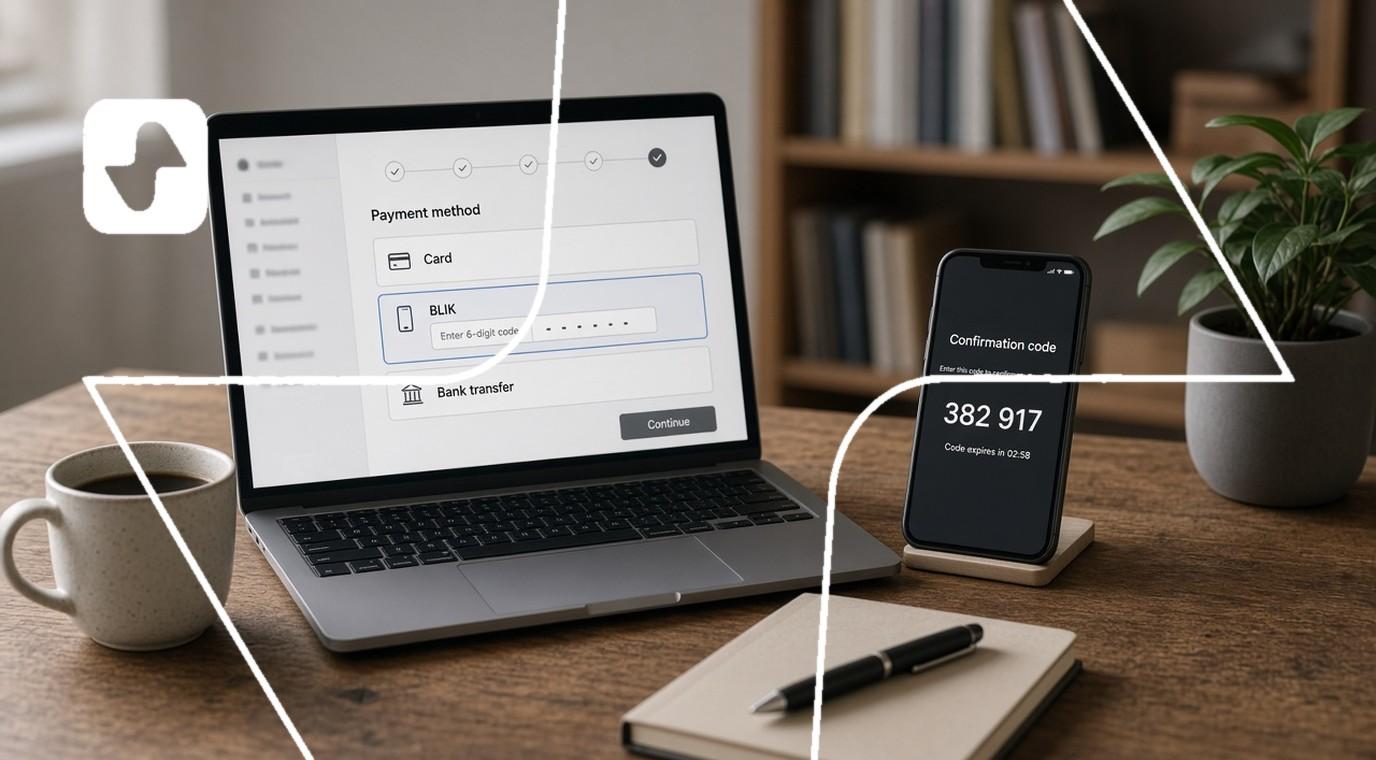
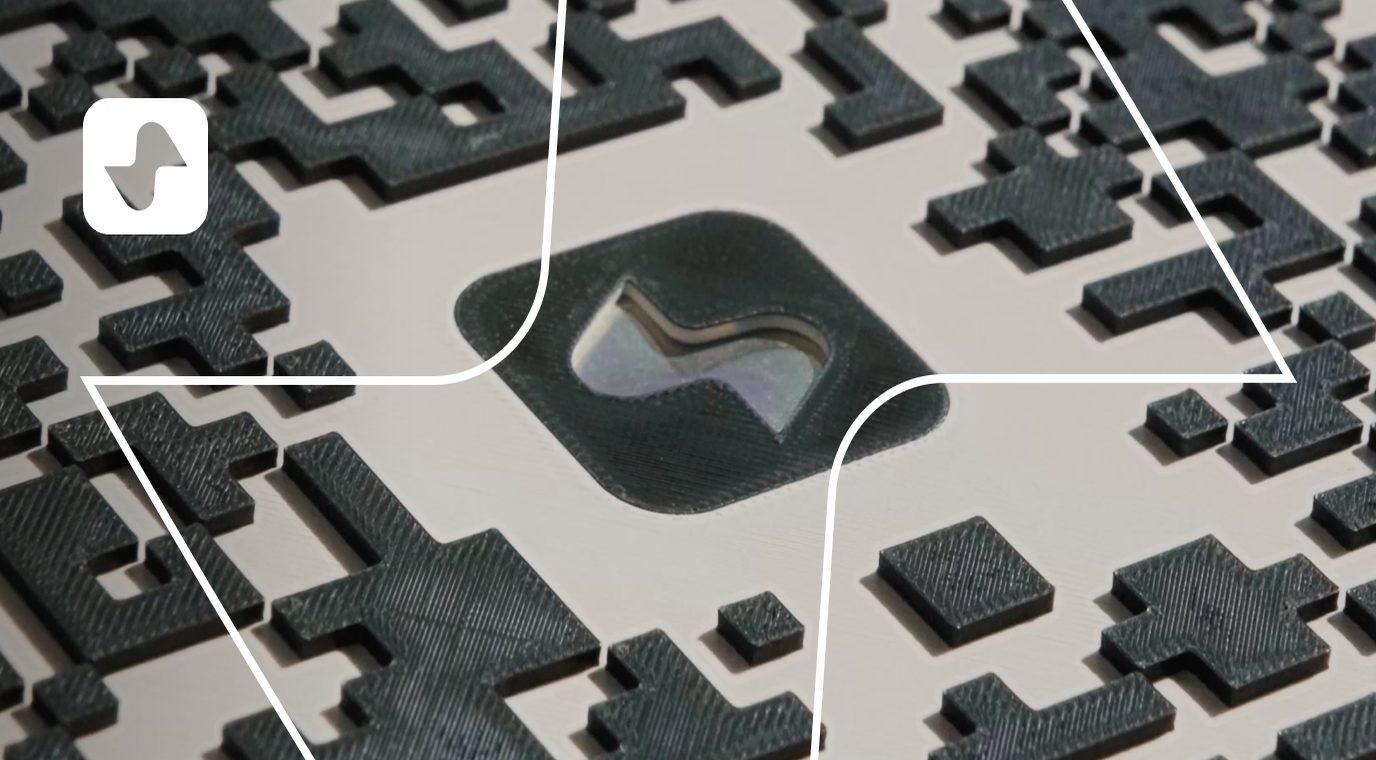
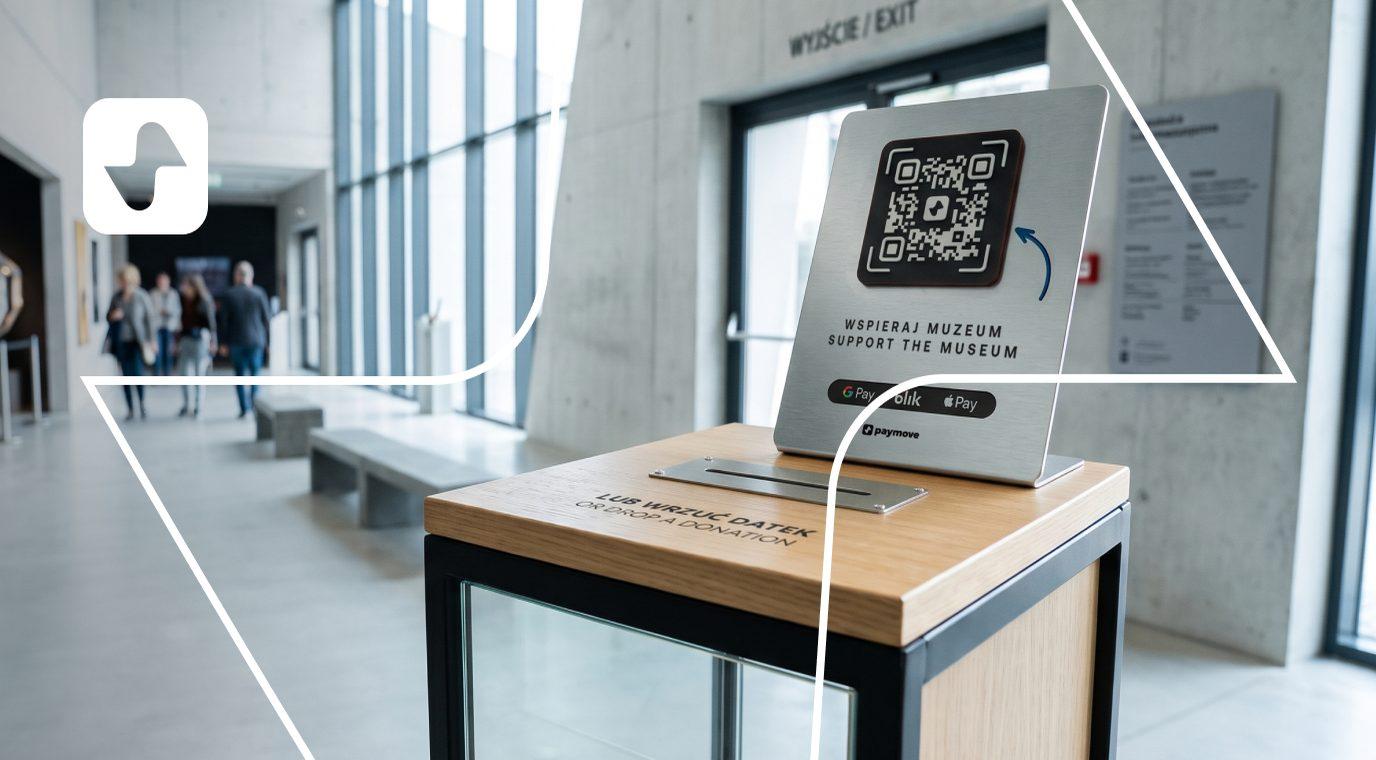
Paymove enters this category on a layer the venue’s ticketing system does not handle, and does not touch that system itself: a QR code on a carrier or a widget on the site, payment by BLIK, Apple Pay or Google Pay without installing an app and without registration, and the ability to add a donation in the same flow in which a ticket is bought. The site names donations outright as a use case and cites Gdańsk Zoo as a go-live covering tickets and donations. The settlement model published on the site is 1.29% per transaction at PLN 0 activation and PLN 0 subscription, or PLN 0.026 on a two-zloty donation.
Adding a QR code will not raise anything by itself and none of the figures in this text promises that. The effect of a cashless channel on collection in a Polish cultural institution nobody has measured publicly. What is certain is smaller: today’s result of such a collection describes the capacity of one vessel handling one payment instrument. About visitors’ readiness it says as much as fits in a coin slot.
The cheapest thing an institution can do today needs no go-live. Just check in its own data how many people entered free last year and set that against the amount that fell into the tin. If that ratio yields groszy per person, the question posed at the start already has an answer. It will fall on the object standing at the exit.